
Women Who Shaped the Knox Legacy
When tracing the Knox family history, most of what survives in writing comes from land records, wills, and transactions. Naturally, that puts a spotlight on the men whose names appeared on those documents. But those records only tell part of the story. Behind them were women whose roles were just as critical. Through marriage, family structure, land ties, education, and community life, these women shaped how the Knox family expanded, stayed rooted, and remained connected across Mecklenburg County. This is a closer look at a few of them, with the details that still exist and the context that gives those details meaning.
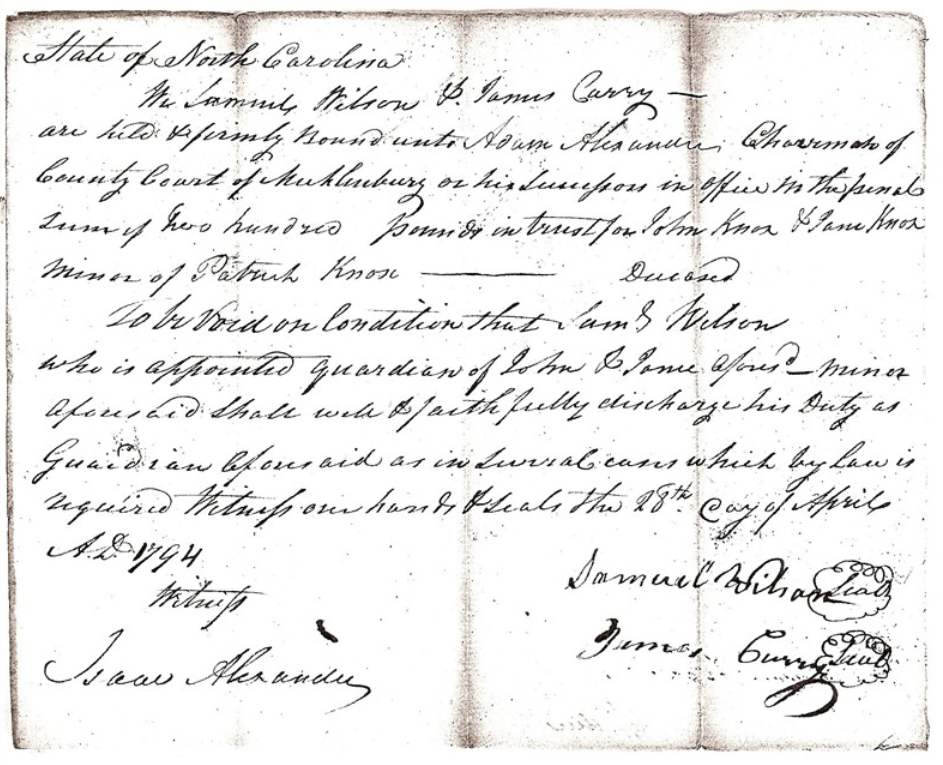
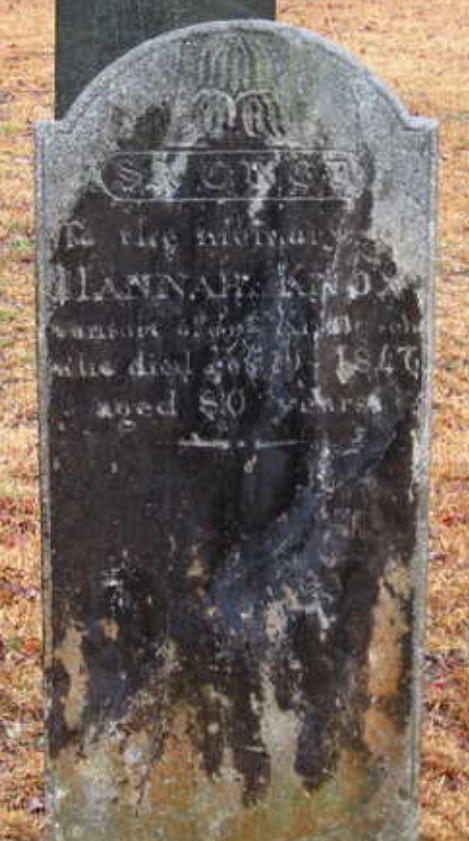
Hannah Knox Wilson, daughter of Captain Patrick Knox, stepped into a position of responsibility at a young age after her father was killed at the Battle of Ramseur's Mill. At the time of his death, her youngest brother, John Knox, was only three years old. Hannah, along with her husband Samuel Wilson Jr., took on the role of raising him and helping stabilize the family during a period of uncertainty.
This was not a small role. John Knox would go on to become a central figure in the Knox line being traced today, and the foundation of his upbringing was shaped within Hannah's household. Through her actions, Hannah directly impacted the continuation of the Knox family at a critical moment.
Her marriage to Samuel Wilson Jr. also connected the Knox family to the Wilson family, another established landowning family in Mecklenburg County. The Wilsons held significant land along the Catawba River, including a 1772 grant of 300 acres from Samuel Wilson Sr. to his son. Their family was also tied into the Polk lineage through Mary Wilson Polk, linking them to President James K. Polk.
The connection between the Knox and Wilson families was not just social. It's reflected in documented land transactions, including recorded deeds in 1800 between Samuel Wilson and John Knox, an exchange of hundreds of acres along McDowell Creek near what is now Caldwell Station. In the late 1700s, women did not typically hold land in their own name, but marriage and family ties were one of the primary ways land, influence, and responsibility were transferred. Hannah's influence can be traced not only through family structure, but through the land and relationships that continued forward.
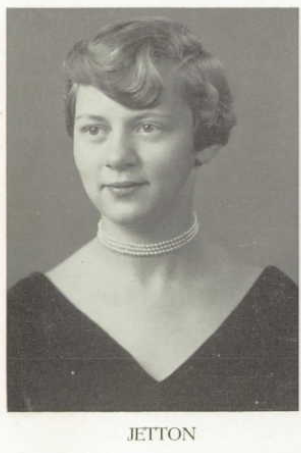
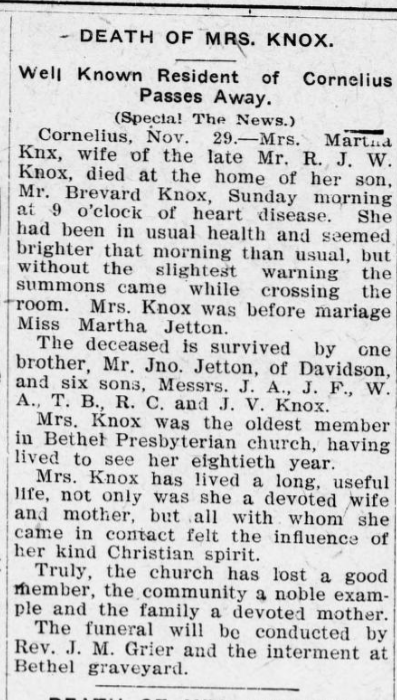
Martha Nantz Jetton married Robert Jay Wilson Knox on August 9, 1845, joining two established families in Mecklenburg County. At the time of their marriage, the Knox family already held land in the area, but Martha's connection to the Jetton family added to that foundation and strengthened it further.
The Jetton family were prominent landowners with a long-standing presence along the Catawba River. Their influence in the region is still recognized today through Jetton Road and Jetton Park, both named after the family. Martha came from a family that was already deeply tied to land ownership and the development of the area.
Shortly after their marriage, Martha and Robert acquired 222 acres from her father, John Jetton, as recorded in Mecklenburg County deeds. This land was added to property already held through the Knox family, including land purchased from John Knox and the inherited Blakely Place near present-day Bailey Road south of Cornelius.
Martha and Robert established their homeplace near what is now Bethel Church Road and Highway 73 around 1860. This property became the center of family life, where they raised seven sons and one daughter. Through their children, the Knox family became connected to other established families in the region, including the Blythes, Potts, Blakelys, Beards, Caldwells, Wilsons, and McConnells, a network of families tied together through land, marriage, and long-term presence in the area.
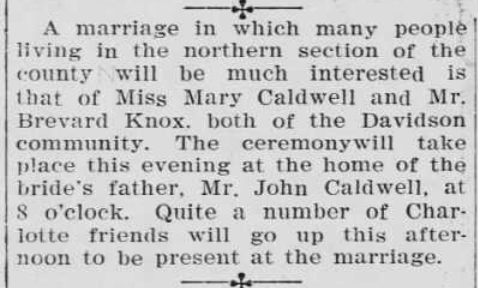
Mary Rebecca Caldwell married Thomas Brevard Knox, bringing the Caldwell family into the Knox line. The Caldwell name was one of the most prominent in Mecklenburg County, with deep ties to land ownership, agriculture, medicine, and civic life dating back to the early 1800s. The family was closely connected to Rosedale Plantation in Charlotte and, through those connections, to other well-known families in the region including the Davidsons, Alexanders, and Craigheads.
Thomas had previously been married to Daisy Rozzell. After her death, he married Mary, and together they had thirteen children. They lived at the Knox homeplace near Bethel Church and Highway 73 in Cornelius, where Thomas farmed the land and operated a corn mill near what is now Knox Road and Highway 73, where local farmers brought their corn to be ground.
Through her marriage, Mary became part of a family already rooted in that land, while also bringing in the influence and connections of the Caldwell name, one of the most established names in Mecklenburg County tied closely to the Knox line through both land and family.
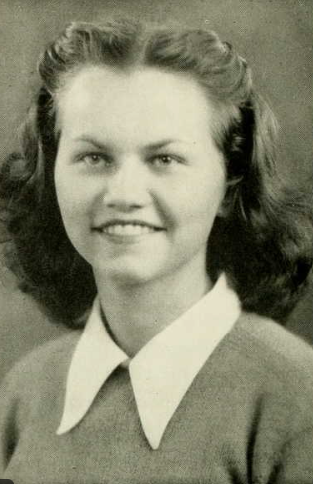
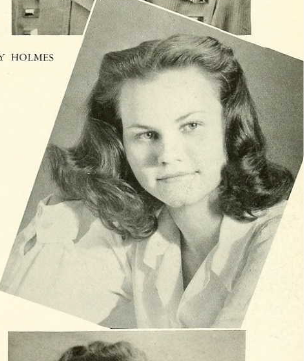
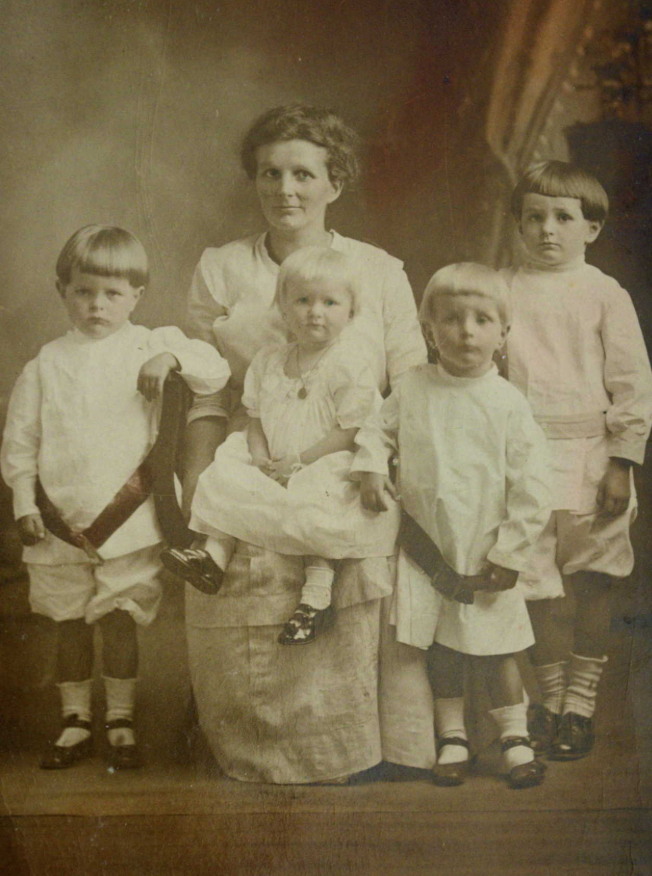
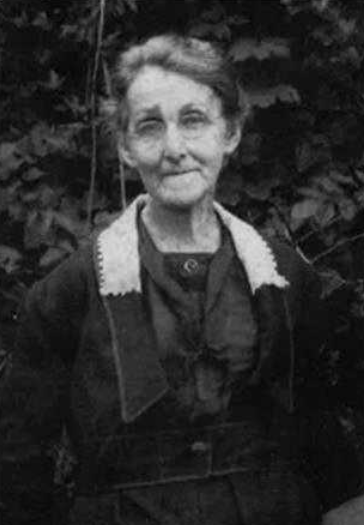
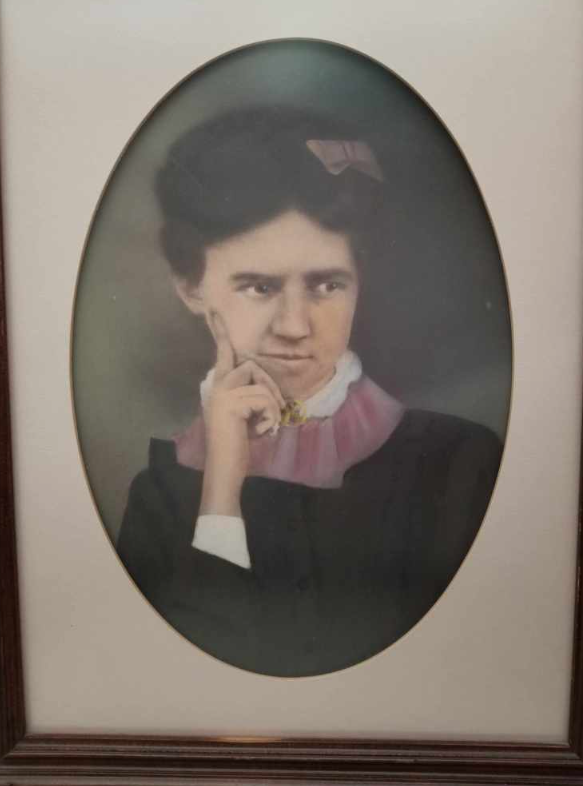
Sarah Jane Blythe married John Alexander Knox on November 24, 1876, in Huntersville, joining two of the earliest established families in the area. She was born on April 29, 1851, in the Hopewell/Lemley area of Mecklenburg County, to Richard Blythe and Violet Blythe.
The Blythe family were among the earliest settlers and landowners in Mecklenburg County, with land along the Catawba River dating back to 1772, when Samuel Blythe acquired approximately 400 acres. A portion of that land remains in the Blythe family today, including the Blythe Homestead built in the 1860s, though much of the original Blythe land is now submerged beneath Lake Norman.
Sarah and John had fifteen children over the course of eighteen years, forming one of the larger branches of the Knox family. Through these children, the Knox name continued to expand and connect with other established families in the region.
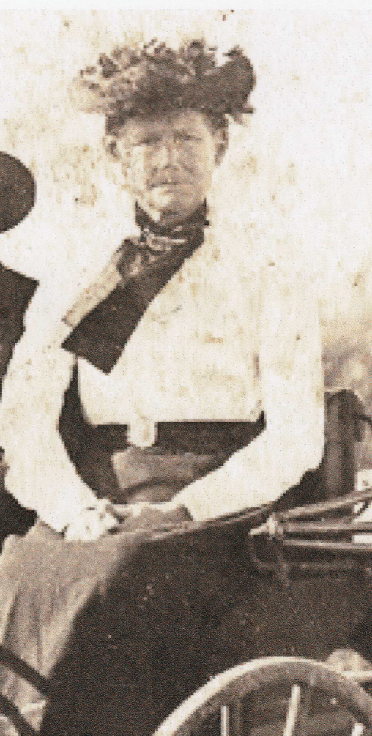
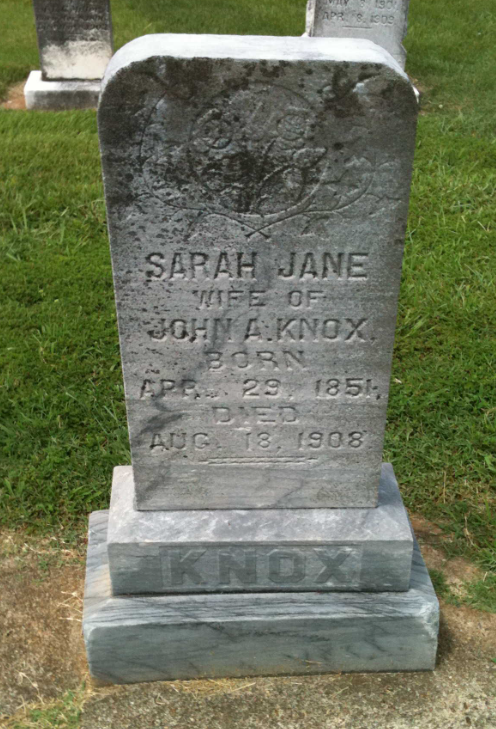
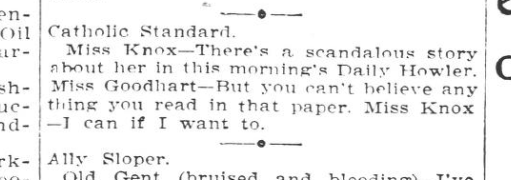
“Miss Knox—There's a scandalous story about her in this morning's Daily Howler. Miss Goodhart—But you can't believe anything you read in that paper. Miss Knox—I can if I want to.”Sarah assisted with her school newspaper's gossip column and clearly wasn't afraid to have a little fun with it
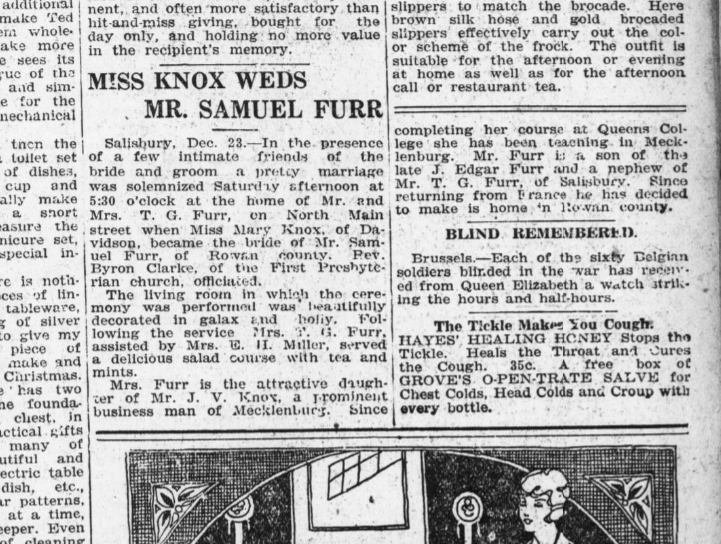
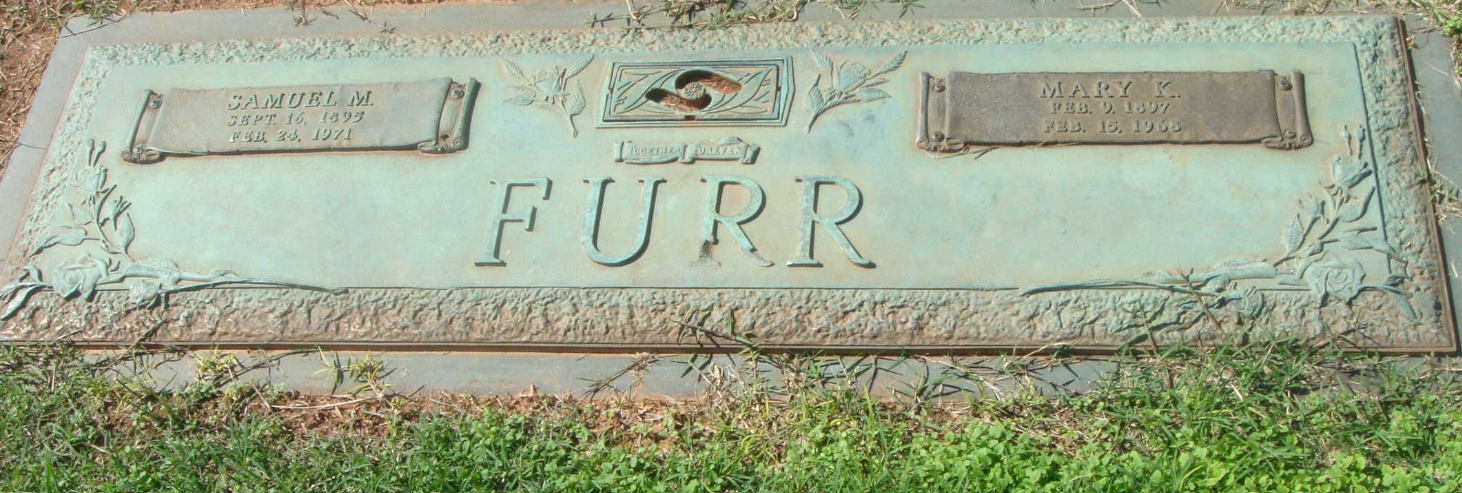
Mary Virginia Knox married Samuel Monroe Furr on December 20, 1919, connecting the Knox family to the Furr family, another long-standing presence in Mecklenburg and surrounding counties. She was the daughter of Joseph Van Buren Knox, who was known for building much of the commercial structures in downtown Davidson. The wedding announcement even called it the culmination of an old love affair, though it came as a complete surprise to their many friends.
Mary was educated at Queens College and later worked as a teacher in both Rowan and Mecklenburg Counties, reflecting a shift in the role of women during this period from purely domestic life to education and community involvement. Samuel operated a dairy farm in North Mecklenburg and also worked land connected to the Knox family, later playing a key role in establishing the Cornelius Electric Membership Corporation, which helped bring electricity to North Mecklenburg around 1940.
Mary and Sam were active members of Bethel Presbyterian Church, continuing the Knox family's long-standing connection to the church their family had helped build for generations.
These women were not always the names written on deeds or recorded in official documents, but their roles are visible in what those documents show. Their stories are not separate from history. They are a central part of it.