Captain Patrick Knox
When I first began this project, there was not much known about Captain Patrick Knox, and at the time he was the earliest documented ancestor of the Knox family. It was speculated that he came from Antrim, Ireland as an adult, as there were several Knoxes in the Catawba river area who hailed from Ireland. It was theorized that his wife, Mary, also came on the journey from Ireland with him, as prior researchers had been unable to find a marriage record.
New World, New Land
Through my own independent research, I have been able to find the exact ancestor that made the journey into the New World, via Massachusetts. John F. Knox Sr., father of Captain Patrick Knox, took their adult children on the journey to begin their life in the New World. They had the grant from the English government for nearly 400 acres of land near Catawba, and they used that to build their new life.
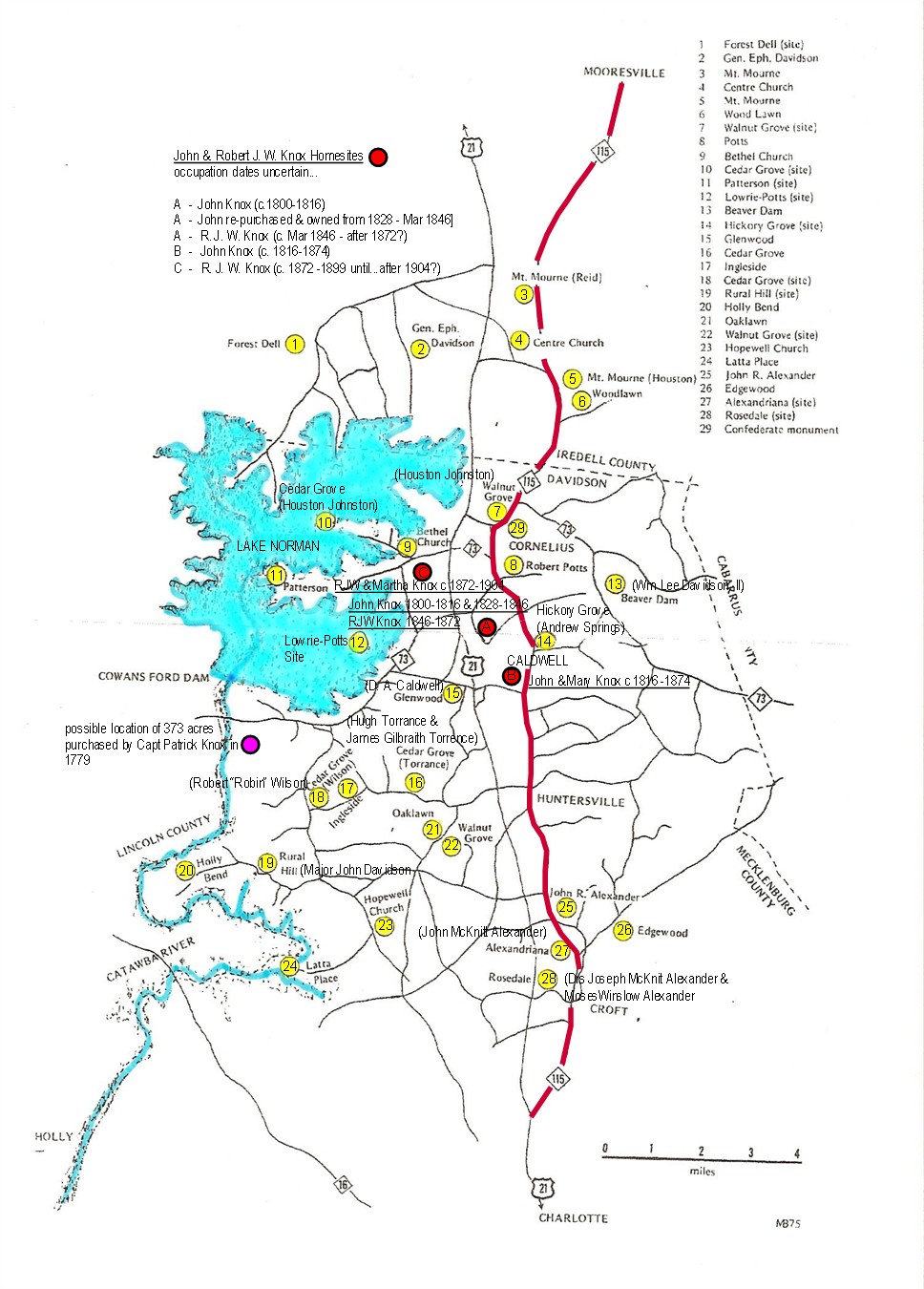
Family tradition offers a clue as to how this grant came about: during the Irish rebellion, several Knoxes are said to have come from Scotland to Ireland, and for some service rendered the English government, some of them obtained a land warrant for hundreds of acres. Supporting this thread, I've also located a separate deed from Archibald Henderson, a British officer, granting Patrick Knox two tracts of land totaling 373 acres in Mecklenburg County. The handwriting on the original document is faded and difficult to fully decipher, but it stands as further evidence of just how much of the Knox family's early footing in Carolina came through these land grants.
The Battle of Ramseur's Mill
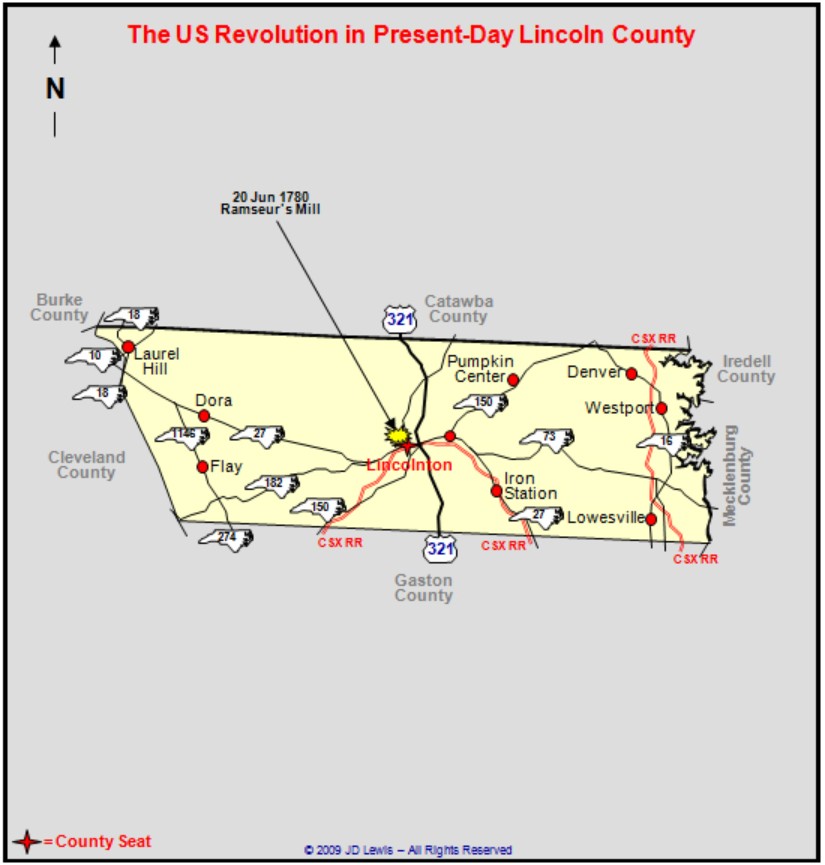
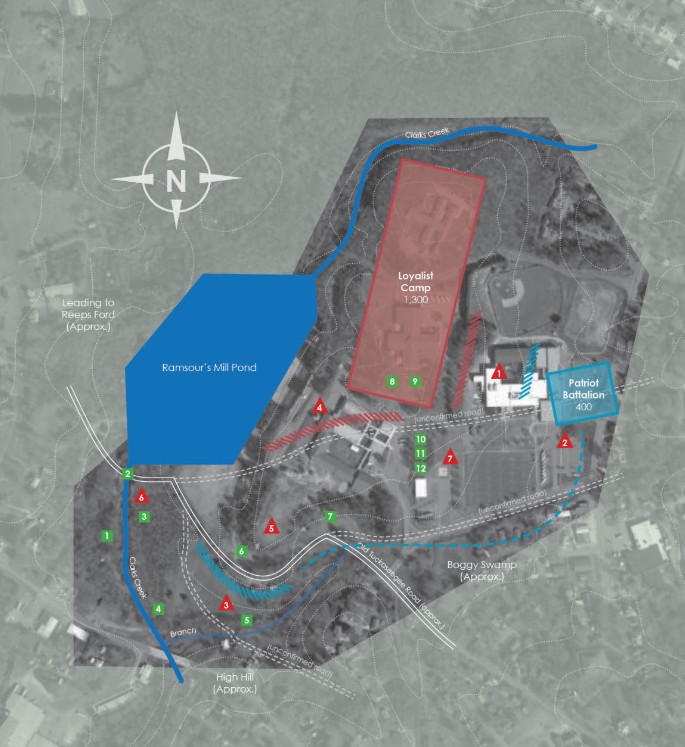
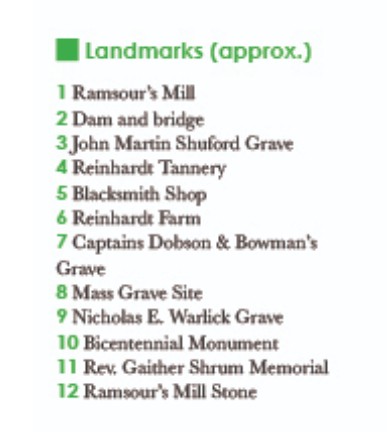
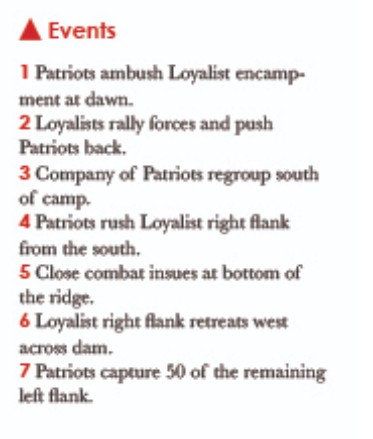
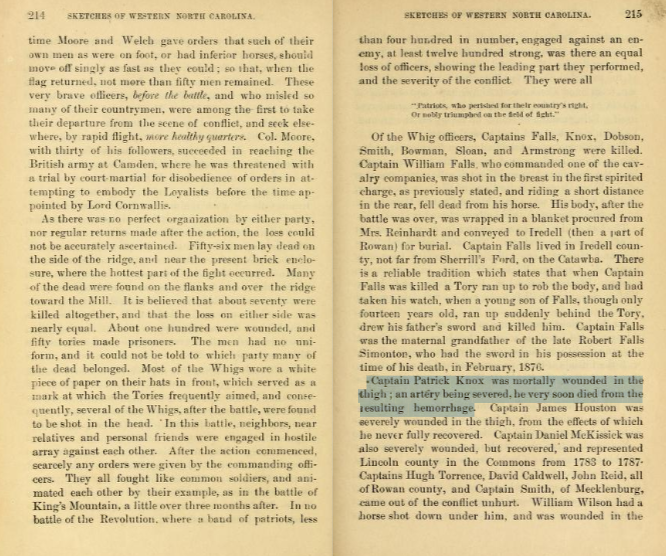
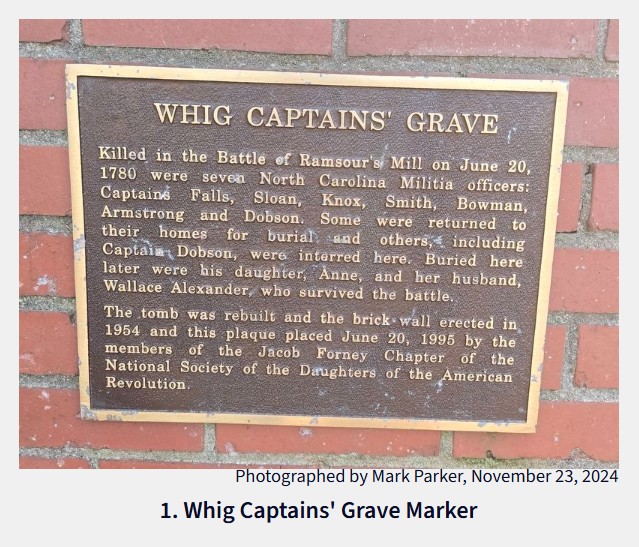
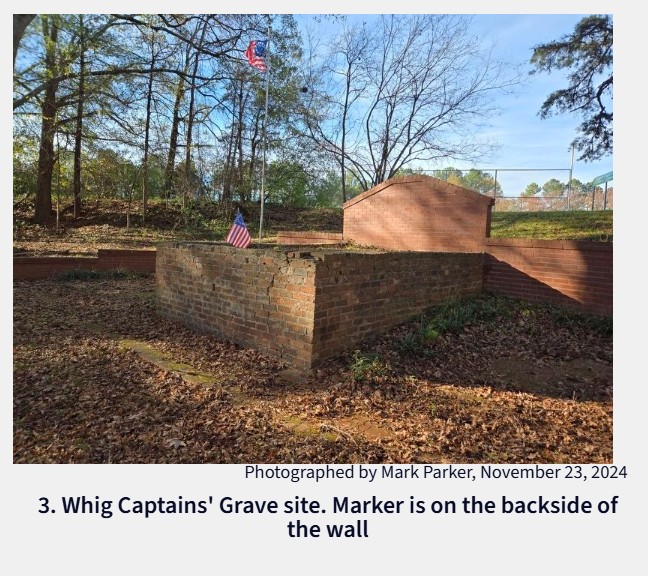
What was known of Patrick Knox is largely based on accounts of the Revolutionary War battle of Ramseur's Mill. The current site is in Lincolnton, NC, with a memorial to mark the mass grave dedicated to the brave soldiers and officers who died in battle, including Captain Patrick Knox. War accounts listed Patrick Knox as a whig captain who was killed in battle at the age of 34 in 1780. Summaries of the Battle of Ramseur's Mill claim Captain Knox as a casualty of the war.
Why Patrick Knox Settled Here
In searching for information, there were indeed other Knox clans in the Mecklenburg and Lincoln county area. Our 11th president, James Knox Polk (whose mother was named Jane Knox) was born in Mecklenburg County. His Knox grandparents resided four miles northeast of Hopewell Presbyterian Church (north Mecklenburg County), in the same area where we believe Patrick Knox lived. Mecklenburg County records also show a large Knox family in the southern portion of Mecklenburg County, known as the Steele Creek area, from the 1700s on.
He is listed on the monument erected in Lincolnton, NC that marks the mass grave for the officers killed in the battle, and his estate settlement also provides some evidence about his life.
Mary, and the Children Left Behind
Captain Patrick Knox and his wife, Mary Smith, had five children: Hannah, Matthew, Ruth, John and Jane. At the time of Patrick's death, his son John was only three years old. It appears that Patrick's widow, Mary, married his brother Alison after his death in battle at Ramseur's Mill, and proceeded to have more children with Alison. According to multiple land transfers and sales, it appears that Alison was not the most financially wise when handling the late Patrick Knox's estate. Perhaps this is why Patrick's daughter Hannah Knox and her husband Samuel Wilson, Jr. had to take over guardianship of her younger siblings, John and Jane Knox.
Captain Patrick Knox may have died in battle at Ramseur's Mill, but his legacy and lineage did not die with him.
A Paper Trail
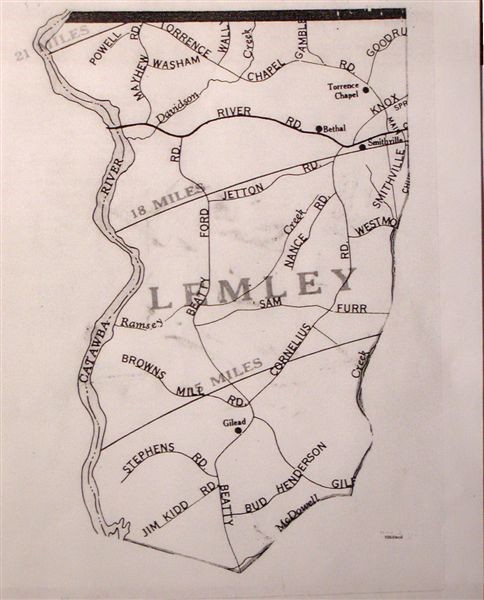
That guardianship left its own paper trail. On July 10, 1800, two Mecklenburg deeds recorded a land transaction between Samuel and John, who was 23 at the time. In essence, John exchanged 423 acres he held from his father Patrick's estate, land to which his mother still held dower interest, for 384 acres of equal value, roughly $1,500, located on McDowell Creek near present-day Caldwell Station, south of Cornelius. I've also turned up a period map of McDowell Creek showing the land Samuel Wilson owned before transferring it to John, along with a receipt for a separate 50-acre land grant awarded to John Knox by the State of North Carolina. Taken together, these records give a much clearer picture of where the original Knox farm stood, and how the family's holdings around the Catawba River took shape in the years after Patrick's death.
The roads and properties scattered across today's Lake Norman area that still carry the Knox name are a quiet testament to that. Consequently, it would be his son John, raised by Hannah and Samuel Wilson, Jr. and shaped by the very land transactions above, who would carry the family's story forward into the next generation.
One Family, Generations of Ground