
John Knox
After Captain Patrick Knox was killed at the Battle of Ramseur's Mill in 1780, his young son John was left fatherless at just three years old. John had been born on May 22, 1777, in Tryon, North Carolina, the son of Patrick, then 37, and his wife, Mary, then 26. With his father gone and his mother remarried to his uncle Alison, it was John's older sister, Hannah Knox, and her husband, Samuel Wilson, Jr., who took on his guardianship and raised him into adulthood. That bond between John Knox and the Wilsons would go on to shape the land transactions that defined the next chapter of the Knox family's story.
The Foundation He Inherited
As noted previously, some of what John would eventually inherit traced back to land his father had secured years earlier. A deed from Archibald Henderson, a British officer, had granted Patrick two tracts totaling 373 acres in Mecklenburg County, and family tradition holds that an earlier land warrant of 600 acres may have come to the Knoxes for service rendered to the English government during the Irish Rebellion. Whatever its precise origin, this land formed the foundation of what John would later inherit and build upon.
The 1800 Land Deal
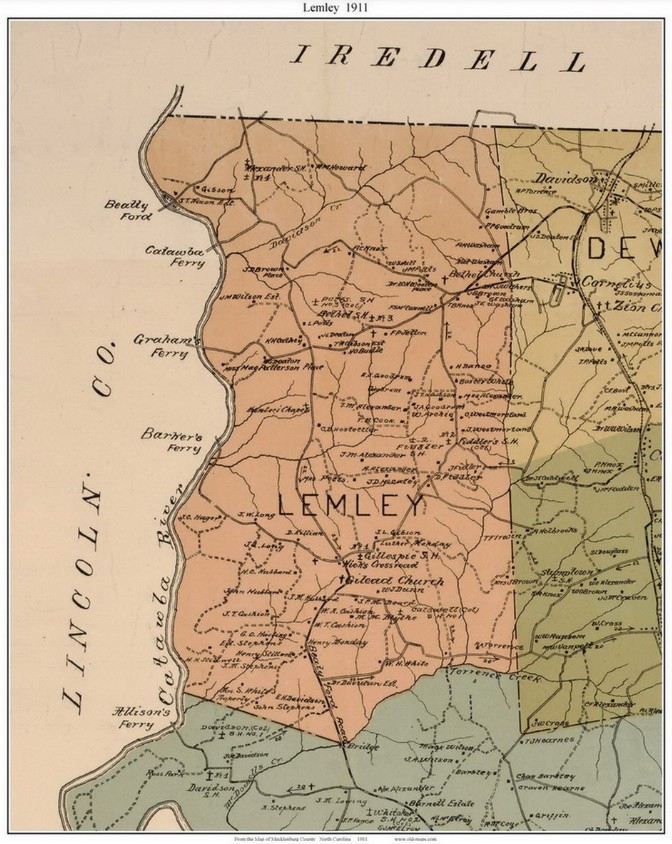
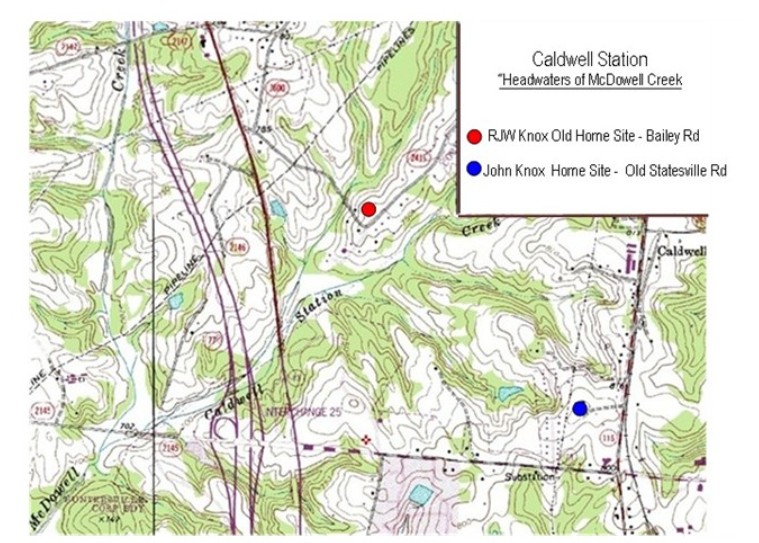
John first appears in the records in his own right on the 1798 Mecklenburg County tax list, recorded in Captain Archibald Cathey's Company with 344 acres to his name; his listed age of 21 that year lines up neatly with his 1777 birth. Two years later, on July 10, 1800, John, by then 23, completed a pair of deeds that would define the rest of his life. He sold the 423 acres on the east side of the Catawba River that he had inherited from his father's estate, land in which his mother still held a dower interest, and on that same day purchased 384 acres on McDowell Creek, near present-day Caldwell Station, from his brother-in-law and former guardian, Samuel Wilson, for an equivalent value of roughly $1,500.
A surviving map of the tract shows the boundaries of Samuel Wilson's land prior to the sale, and a separate receipt documents an additional 50-acre grant awarded to John directly by the State of North Carolina.
A Home That Outlasted Him
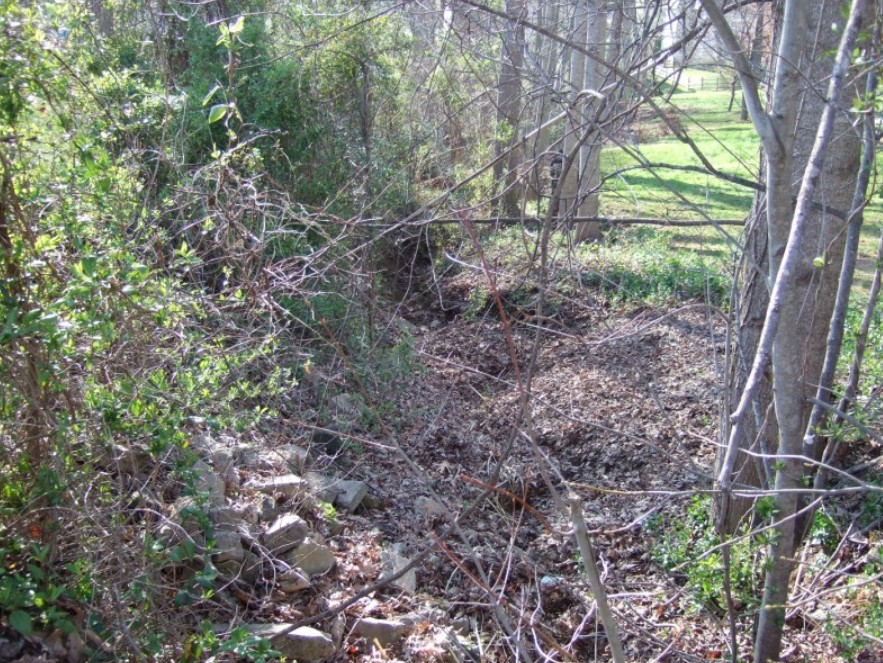
This move to the headwaters of McDowell Creek proved permanent. County tax records place him there continuously through the early 1820s. Interestingly, later genealogical researchers initially confused him with an unrelated, similarly named John Knox living nearby in Lincoln County, but careful work through deeds, tax rolls, and even DNA testing of descendants eventually confirmed these were two separate men, and that "our" John, son of Captain Patrick Knox, never left the McDowell Creek property after settling there around 1800.
Laid to Rest Among His Own
On November 10, 1813, John married Mary Brandon Robison, recorded in some records as "Polly B. Robison," in North Carolina. Together they raised seven children over the following seventeen years, and John went on to serve as a trustee of Bethel Presbyterian Church in Cornelius, where the family had by then become well established.
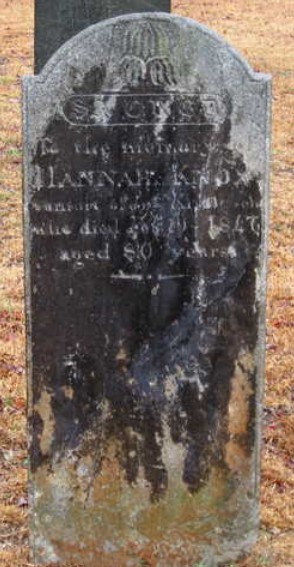
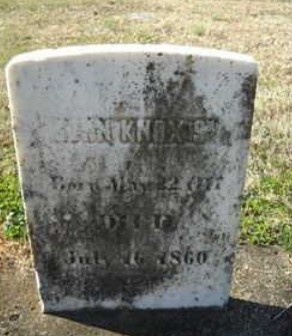
He died on July 16, 1860, in Davidson, North Carolina, at the age of 83, and was laid to rest in the Bethel Presbyterian Church cemetery in Cornelius, not far from the land his father had once held, and that John himself had spent a lifetime building upon.
The Paper Trail He Left Behind
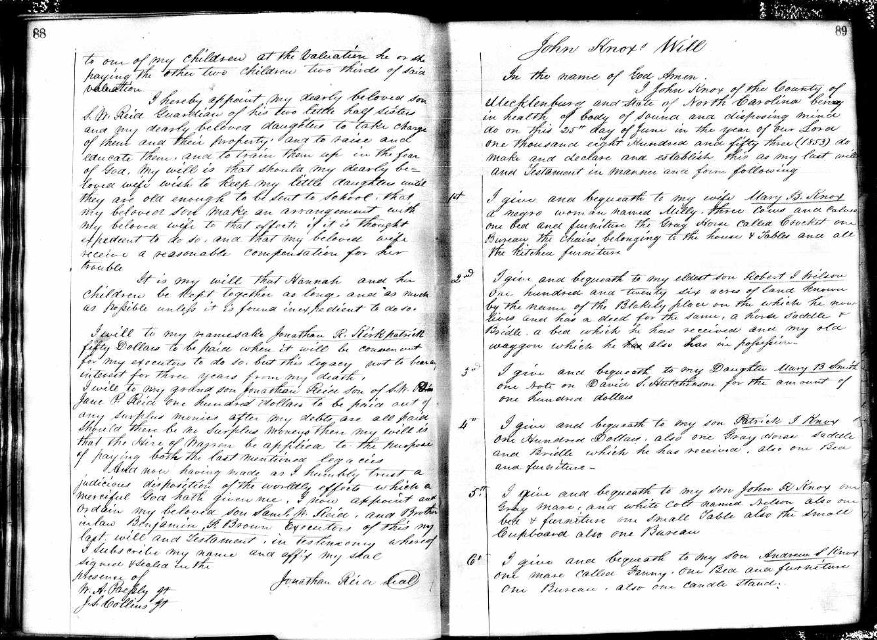
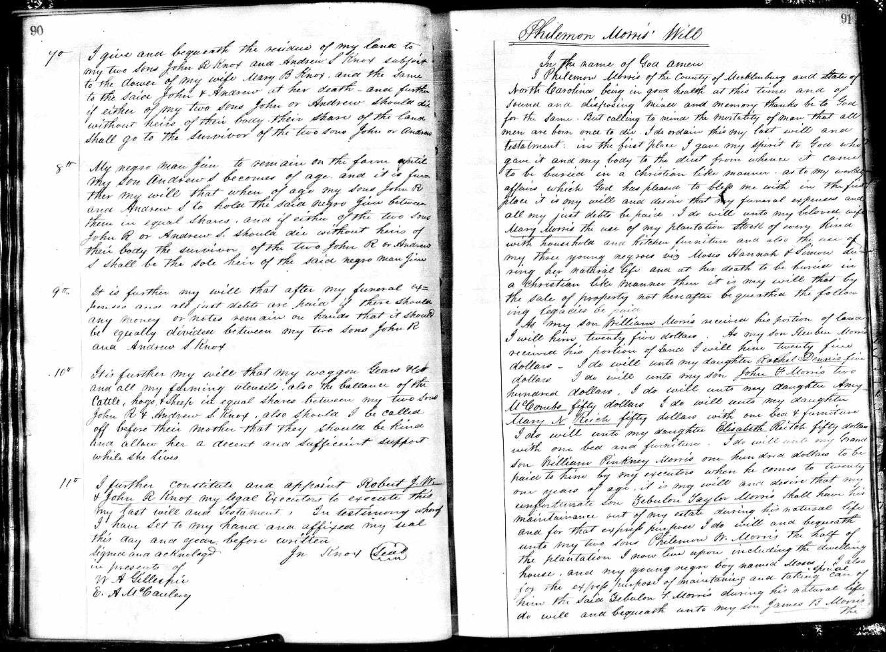
Through the surviving deeds, tax lists, and church records, the outline of John's life and the permanence of the family's hold on Lake Norman comes into clear focus. What began in 1800 as 384 acres purchased from his brother-in-law Sam Wilson, Jr. would remain Knox land for generations, a quiet but lasting testament to the foundation John laid for those who came after him.
That bond between John Knox and the Wilsons would go on to shape the land transactions that defined the next chapter of the Knox family's story.